Tony Grealish: The Gaelic footballer and FA Cup final captain
Thursday 23 July 2015 15:43, UK
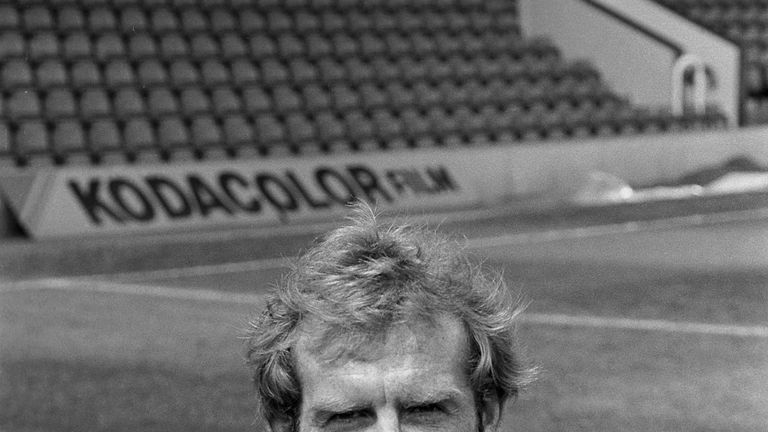
Tony Grealish was the late Gaelic footballer who won 45 caps for the Republic of Ireland and captained Brighton in the 1983 FA Cup final against Manchester United.
On that May afternoon in '83, the London-born midfielder appeared first from the tunnel in Wembley and headed for the centre circle. He was on home turf.
His parents were Galway and Limerick but he grew up just down the road in Paddington which made Wembley a feature on his cityscape and sometimes a playground long before this defining day.
He had already togged-out here with his brother Brian when London played New York in a Gaelic football challenge match, and he sat in the stands enough times to know the ceremony of the storied walk.
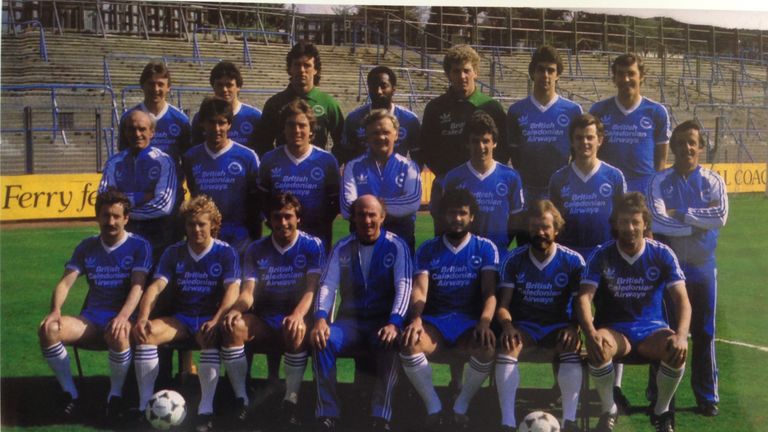
Up in the stands that GAA afternoon his father Packie and his mother Nora were sat. They watched again now as he made the same walk as Brighton and Hove Albion captain.
He arrived in the middle wearing a black headband in a statement of support for Steve Foster, the club captain suspended for the final and so often identified by the band.
In the ground too were hundreds of supporters who travelled battalion like from St Gabriels, Moindearg and St Agnes - some of the city’s GAA clubs in which his family were steeped.
They rose together when Grealish shook hands with United captain Bryan Robson.
Pride
“It probably is one of our proudest moments,” says Nora, speaking this week at her pub, the Flora on the Harrow Road.
“It was the biggest day in his career.”
After the 2-2 draw, St Gabriels supporters rewound the years and remembered the young Grealish sitting with his brother Brian at the petrol station on Shirland Road, where they typically gathered to meet his father Packie, one of the founder members of the club.
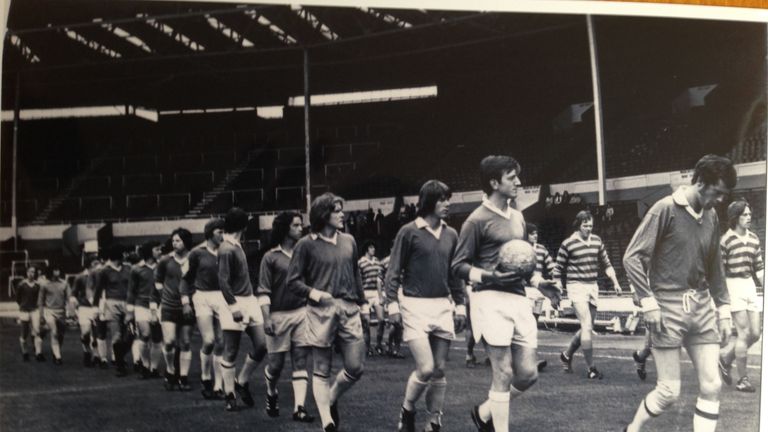
“The Gaelic football (connection) really started for Tony there,” says Nora. "And when he was working on the building sites with his father in around Bromley. They’d all play at break time, the men on the sites, and Tony and Brian would join in.”
On this Monday night, Nora is sat beside a collage of photographs that capture different moments in the career of Tony Grealish. She is surrounded too by team photos of various Ireland teams hung beside ones of Moindearg.
It’s 30 years since he won the last of his 45 caps for the Republic of Ireland and it’s nearly two-and-a-half years since he died of cancer.
On the day of the funeral old men turned up to pay their respects dressed in Ireland jerseys and the city’s GAA clubs united in sympathy for this son of Irish London.
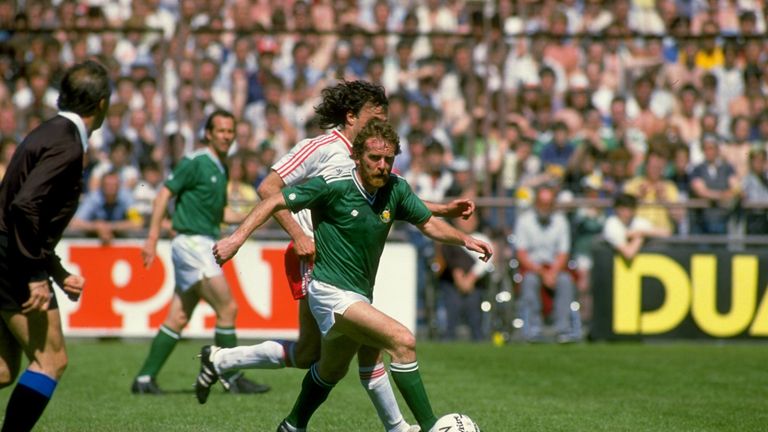
“I was exhausted from shaking hands,” says Nora. “People tapping me, putting their hands on my shoulder; I had to lean up against a car.
“Liam Brady was there, Mark Lawrenson, and more than 30 former internationals. We were always close to the Bradys, we used to stay in the same hotels for away games with Ireland.
“When we came back to the pub, a guy with a big head of silver hair came to me to shake hands. He said he travelled up from Brighton and introduced himself - it was Steve Foster!”
Support
Ambrose Gordon was in Wembley Stadium too that FA Cup afternoon.
“There were a lot of Irish who were United supporters then, but there was a lot of Irish support for Tony Grealish," he says.
"His father was one of the founder members of the St Gabriels club and his mother Nora, she was heavily involved with Moindearg and is still the treasurer. They had huge Connemara connections.”
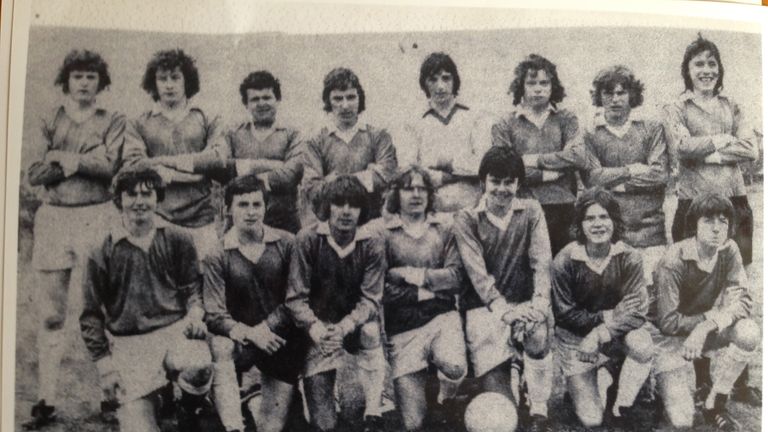
Gordon owns the Man of Aran pub in Rayners Lane, one of the city’s best known GAA houses. There among the hurling insignia hangs an ode to Grealish.
“The thing with Tony is that even when he signed as a pro with Leyton Orient he’d still come back and play Gaelic football with St Agnes or the Moindearg in the summer,” says Gordon.
“He was a very fit wing-back, carried him all over pitch. As a pro footballer he wasn’t big in stature but he was aggressive, always in the middle of it in midfield, the ball winner, very consistent.
“He once lined out against his brother Brian in Gaelic football and they would both go on to play for London in Wembley.”
Cameos
The journey back there was a long wander once Orient’s Len Cheesewright put a stop to the summer GAA cameos with Moindearg.
“There was a gang of them that all signed for Orient around the same time,” says Nora. “They used to come down here and collect Tony. Glenn Roeder would be in the car, Gary Hibbs too and his dad driving.
“He was on £25 a week and Orient gave me £25 to feed him. He was the same then as he was always, when he’d get back here he was just Tony with mum and dad. He loved helping out with the pub, was never phased by any of it.”
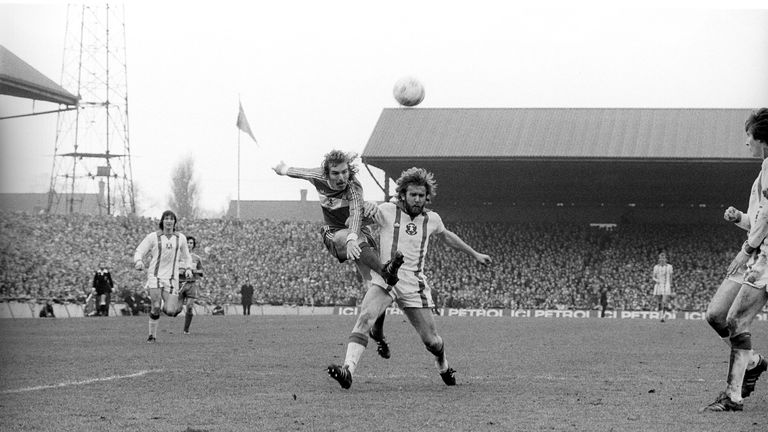
Even the backdrop to his signing with Orient was a uniquely London Irish scene.
“Moindearg were playing St Gabriels in the championship and they came down and got Tony’s signature at half-time,” she says. “They couldn’t wait until the match was over.”
According to Gordon, the impish Grealish he watched grow up served more than one apprenticeship on the building sites in north London.
“It was the way of it then that there were always pitstops after work in the pub but a career as a professional footballer was already on the horizon so this Friday evening when he was dropped off, Nora went out to the van and said to the boys, ‘That’s it, Tony’s leaving the building sites.’”
Symbolised
Grealish’s long and varied career is symbolised by the club colours and pictures of his time with West Brom, Man City and Walsall, which adorn the wall in the Flora. But the wander of his career was anchored to the pub.
“Even when he signed for Ireland he was at home in Shirland Road with me and Packie,” she said.
“He’d take everything in his stride, very laid back, but I remember him jumping over chairs to answer the phone one night to take a call from the FAI. It was never a question that he wouldn’t play for Ireland.”
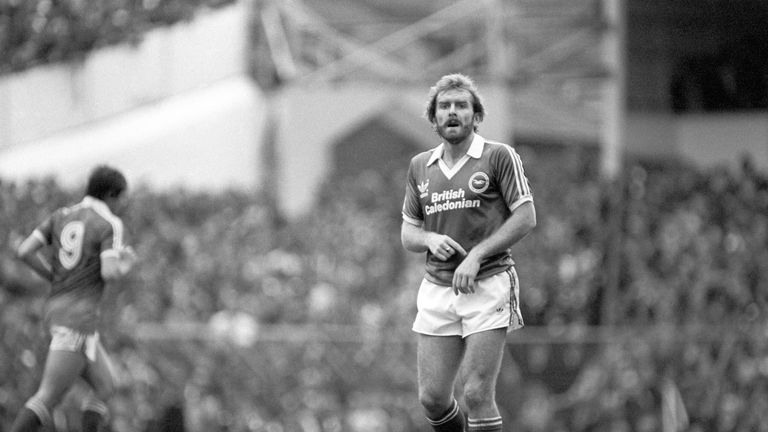
In London, and with his background, Tony joined the worlds of GAA and soccer.
But memories of Brighton and the Cup final remain most vivid.
“I remember someone telling me there was a coach full of Brighton supporters parked up outside. When they were travelling up someone said, ‘Let’s go to the Grealish’s pub’ but they weren’t quite sure of the name.
“Someone said it was something to do with butter and they worked it out and all landed outside, needing the toilet of course, and then they headed for Wembley.”
“Tony would have enjoyed that,” Nora added.
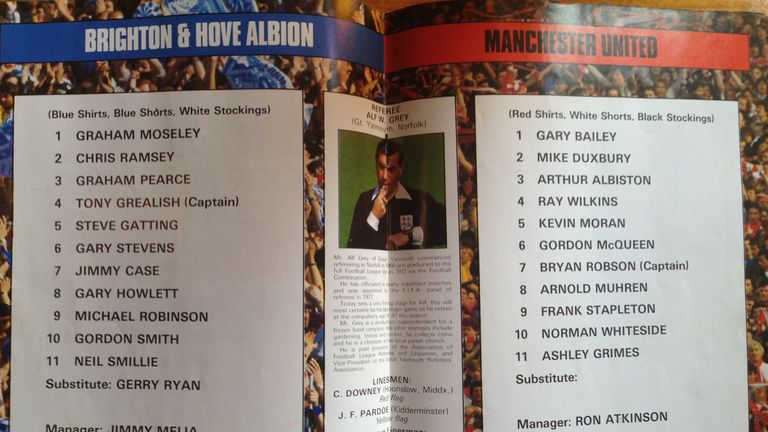
And in the 30th year of his international retirement, maybe Gordon sums up his appeal best.
Brighton would lose 4-0 to United in the replay and while there was no perfect ending, he was still their fairytale.
“In London, and with his background, Tony joined the worlds of GAA and soccer," he said. “Everyone wanted to see him lift the cup.”